88

For many small farmers in Jordan, growing a good crop is only half the challenge. Selling it at a fair price is the other half. Most of them work alone, with little access to market information and few links to buyers, so they often have no choice but to accept whatever price traders offer.

ahmad

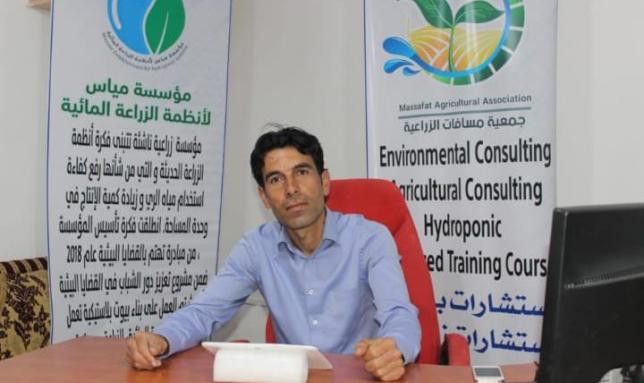
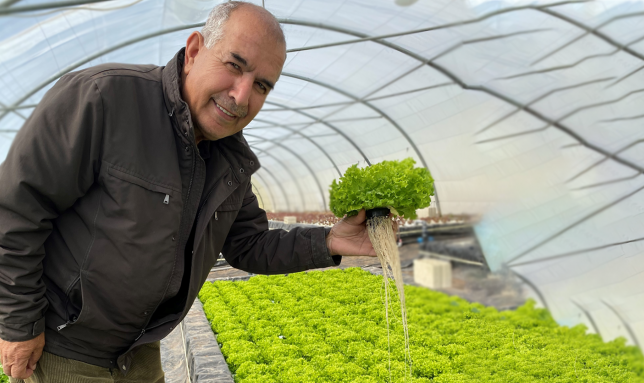
Ahmad Mayyas, a passionate farmer and a nursery owner, could not believe it when he was approached to volunteer as a focal point with Youth Without Borders (YWB) to build the first community hydroponic project in Ramtha, which was supported by HAED‐Jo (Hydroponic Agriculture and Employment Development‐Jordan) Project.

“It was a unique opportunity to be involved in an innovative agriculture project that I could not miss. I had heard so much about hydroponic projects in the past but I could not believe my luck when I was asked to work on one!” says Ahmad enthusiastically.      

1

For some families traditional farming is their identity; unifies older and younger generations separated by hand-held technologies and digital social media. However, farmers maintain cross generational significance as they continue to be a part of the pillars of a functional society.